UniGe in Uzbekistan per formare alla sostenibilità
Training of trainers
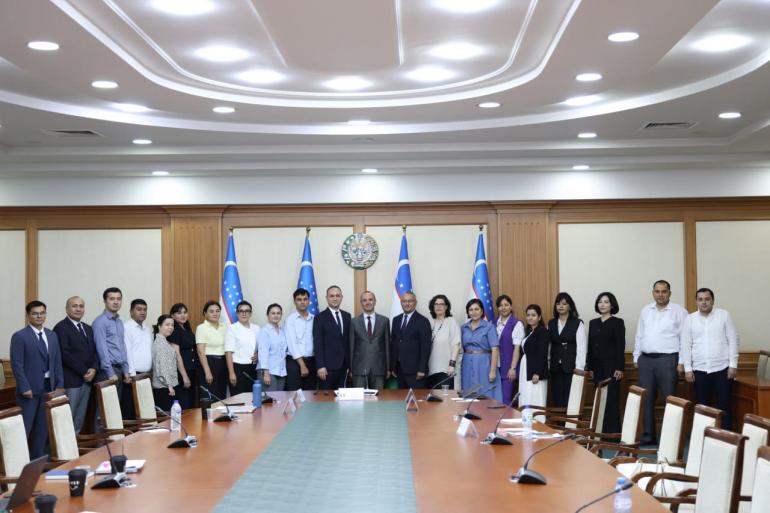
A settembre 2026 a Tashkent (UZ) c'è stata una settimana di attività formative per docenti universitari nell’ambito del progetto Erasmus+ “Bridging Environmental Concerns, Societal Needs, and Good Governance in Central Asian Education and Employment Sectors (ESGCA)”.
Il progetto ESGCA, avviato nel 2024 e coordinato dall’Università di Genova in collaborazione con la Universitatea Lucian Blaga di Sibiu (Romania) e la Slovak University of Technology di Bratislava (Slovacchia), mira a modernizzare l’offerta formativa e a rafforzare le competenze nei campi dei principi ESG (environmental, social, and governance) nelle dieci università centroasiatiche partner.
La settimana di formazione a Tashkent, ospitata dalla Academy of Public Policy and Administration under the President of the Republic of Uzbekistan, fa parte del programma di “Training of Trainers” previsto dal progetto, che si articola in una serie di attività rivolte ai formatori nei diversi Paesi dell’Asia Centrale coinvolti.
Le lezioni di UniGe
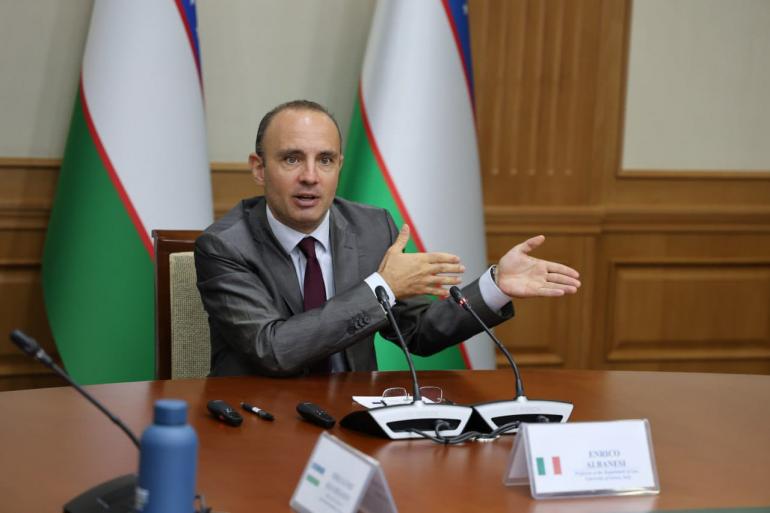
Per UniGe ha partecipato Enrico Albanesi, docente di Diritto costituzionale e pubblico, il quale ha svolto alcune lezioni relative ai temi dell’ESG in ambito dell’Unione europea, partendo dal quadro normativo e legislativo che si applica agli stati membri e approfondendo, tra gli altri argomenti, i principi per lo sviluppo sostenibile dell’Agenda 2030, i principi di responsabilità nelle aziende e nelle pubbliche amministrazioni, e gli strumenti giuridici correlati. In particolare, sono stati analizzati gli strumenti di progettazione e di valutazione delle politiche pubbliche, all’interno dei quali le pubbliche amministrazioni possono valutare la compatibilità di queste ultime con i principi si sostenibilità.
Le lezioni sono state integrate da laboratori pratici in cui i partecipanti alla formazione hanno potuto confrontarsi sui principi in questione e sulle loro applicazioni a casi concreti riguardanti il loro paese.
Key action 2: cooperazione tra organizzazioni e istituzioni
Il progetto ESGCA fa parte della Key Action 2 del programma Erasmus+ e ha come valore aggiunto il coinvolgimento di istituzioni di istruzione superiore di tutti e cinque i paesi dell’Asia centrale; esso prevede l’istituzione di programmi di master in ESG presso le dieci università centroasiatiche partner e lo svolgimento di attività formative e di mobilità sia nei paesi partner, sia in Italia.
Fanno parte del programma “Training of Trainers” anche gli eventi di formazione di Ashgabat (Turkmenistan) e Bishkek (Kirghizistan) del giugno 2026 e di Astana (Kazakistan) e Dushanbe (Tajikistan) a settembre 2026.
UniGe in Uzbekistan: training on environmental and social sustainability for ten central asian universities
In September 2026, a week of training activities for university trainers took place in Tashkent (Uzbekistan) as part of the Erasmus+ CBHE project “ESGCA – Bridging Environmental Concerns, Societal Needs, and Good Governance in Central Asian Education and Employment Sectors”. The ESGCA project, which was launched in 2024 and is coordinated by the University of Genoa in collaboration with Universitatea Lucian Blaga in Sibiu (Romania) and Slovak University of Technology in Bratislava (Slovakia), aims to modernise education and strengthen expertise in the principles of ESG (environmental, social, and governance) within the ten partner universities in Central Asia.
The training week in Tashkent, hosted by the Academy of Public Policy and Administration under the President of the Republic of Uzbekistan, was part of the project’s “Training of Trainers” programme, which comprises a series of activities for trainers in the participating Central Asian countries.
The University of Genoa was represented by Enrico Albanesi, Professor of Constitutional and Public Law at the Department of Law. He delivered several lectures on ESG-related issues within the European Union, starting with an overview of the regulatory and legislative framework applicable to EU Member States. Topics covered included the principles of sustainable development set out in the 2030 Agenda, corporate and public administration accountability, and related legal instruments.
Particular attention was paid to the tools used to design and evaluate public policies, through which public administrations can assess their compliance with the principles. The lectures were complemented by practical workshops, giving participants the opportunity to discuss said principles and explore their application to real-world cases relevant to their own countries.
The ESGCA project falls within the framework of Key Action 2 of the Erasmus+ programme. Its added value, duly recognised by the European agency responsible for managing the projects, lies in the involvement of higher education institutions from all five Central Asian countries.
The project provides for the establishment of Master’s programmes in ESG at the ten partner universities in Central Asia, as well as training and mobility activities both in the partner countries and in Italy.
Finally, as part of the “Training of Trainers” programme, the training events held in Ashgabat (Turkmenistan) and Bishkek (Kyrgyzstan) in June 2026, and those held in Astana (Kazakhstan) and Dushanbe (Tajikistan) in September 2026, are also